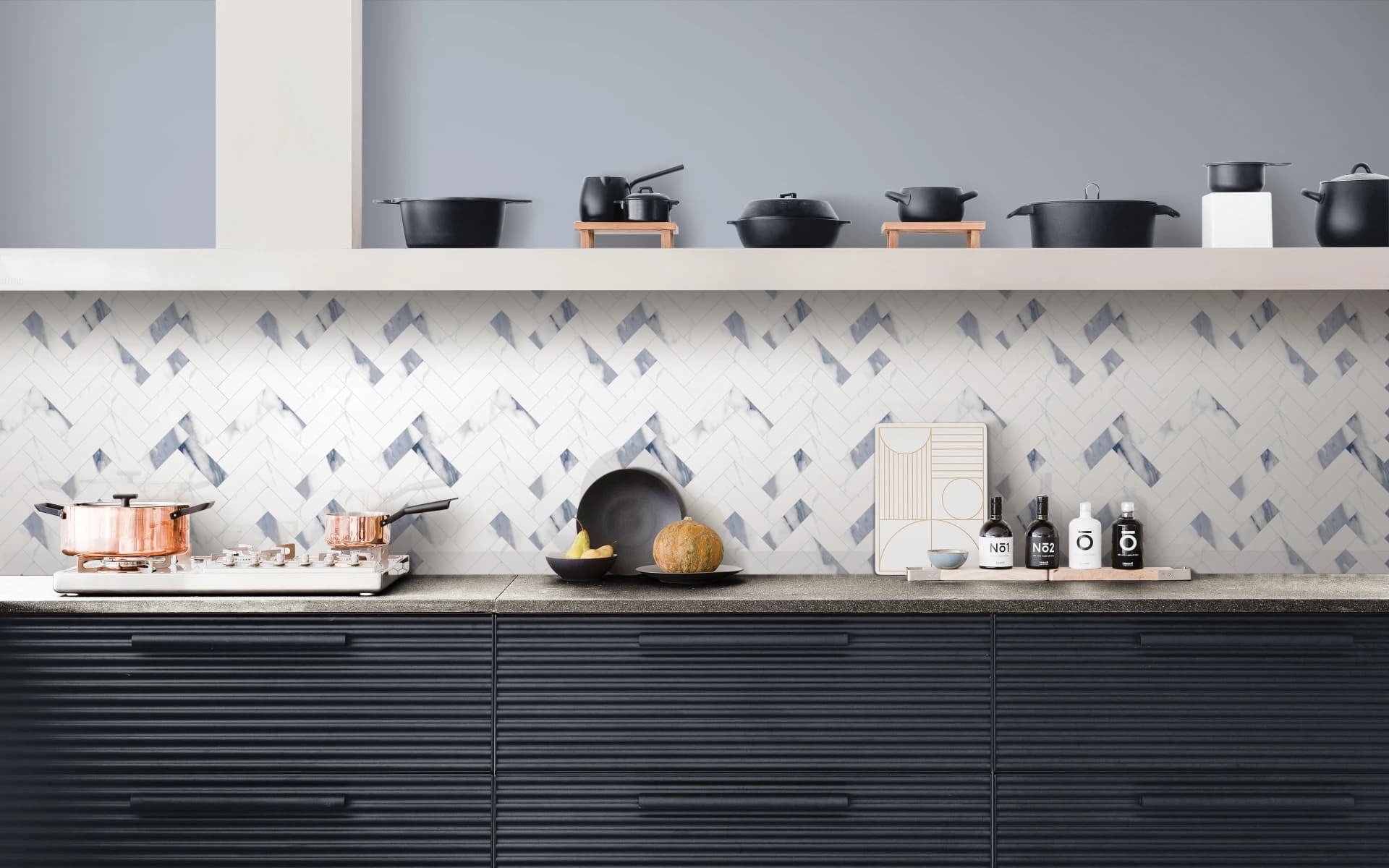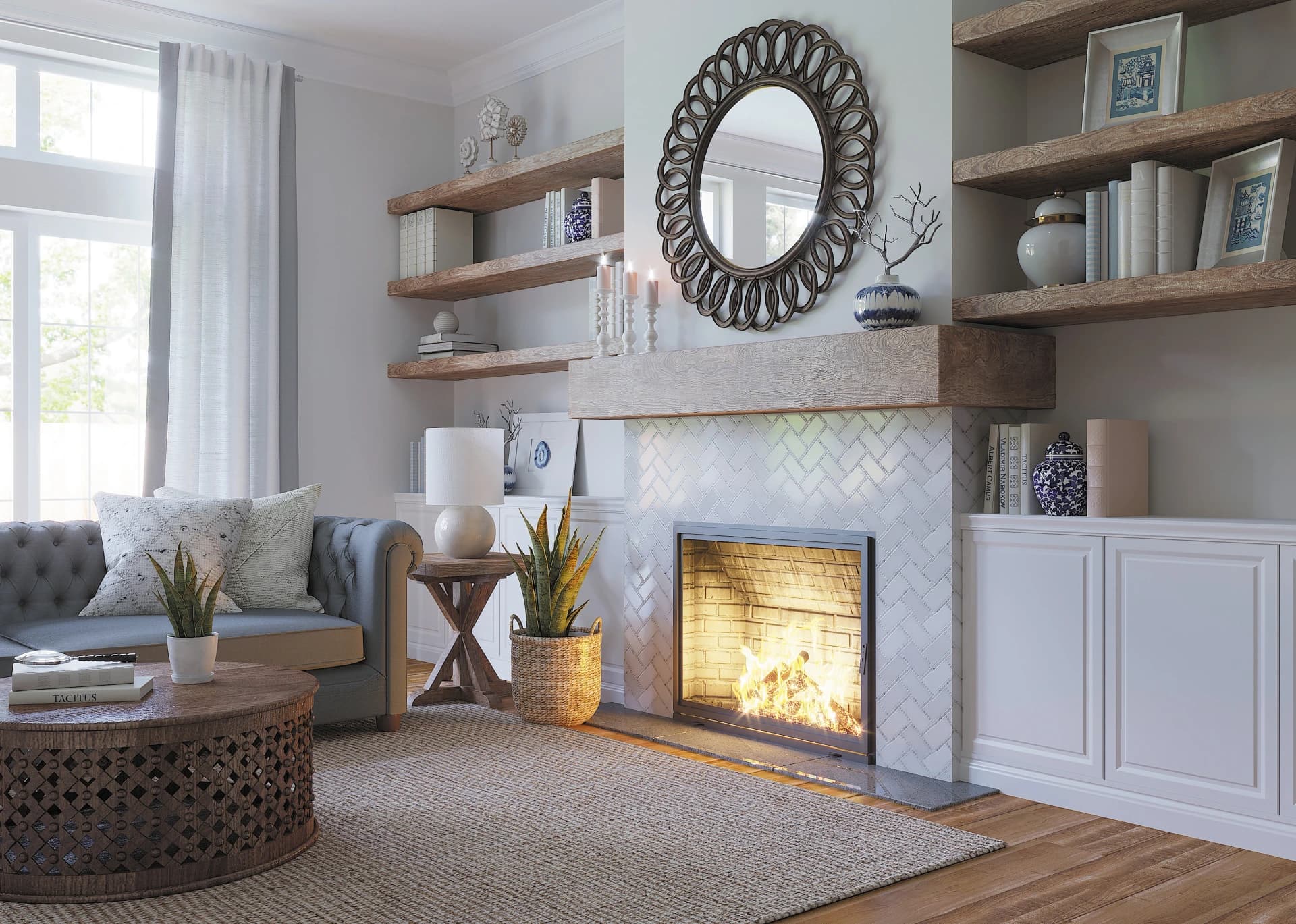
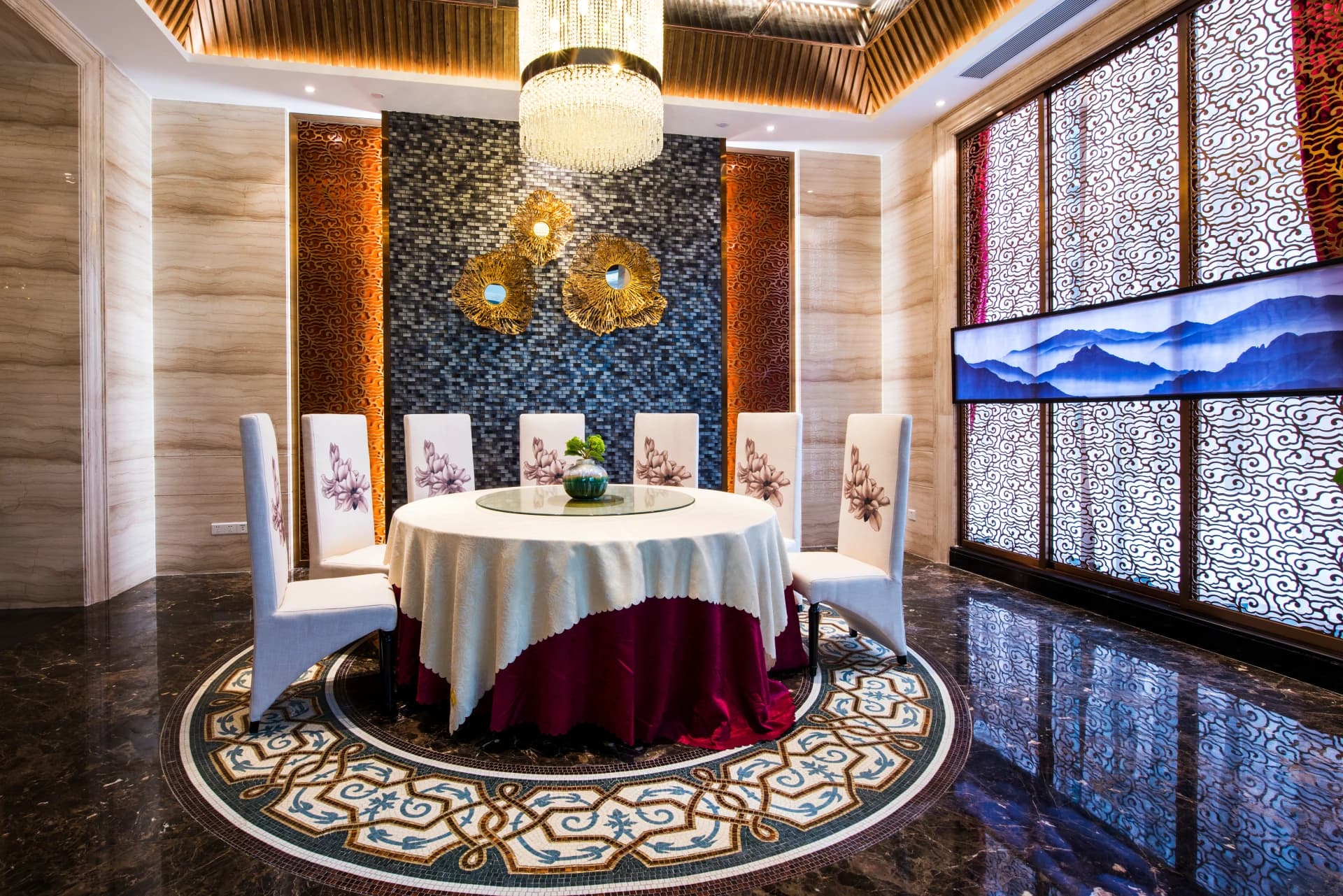
If you're considering a stone or stone-look kitchen counter, the choice usually narrows to two: a quarried marble slab, or a printed porcelain slab made to look like one. Both can look fantastic. They behave very differently.
This is the comparison conversation we have with clients at the studio most weeks. Here it is in written form.
The short version
| Marble | Porcelain slab | |
|---|---|---|
| What it is | Quarried natural stone | Engineered, kiln-fired porcelain |
| Look | Unique veining, ages | Printed veining, doesn't change |
| Hardness (Mohs) | 3 | 7-8 |
| Stain resistance | Low (porous) | Very high |
| Etch resistance | Low | Very high |
| Heat resistance | High | Very high |
| Thickness | 2-3 cm typical | 6-12 mm typical, 20 mm available |
| Cost | $80-300/sqft installed | $60-150/sqft installed |
| Patina | Yes, develops character | No, looks the same year 1 vs year 20 |
The honest summary: porcelain is the rational choice; marble is the emotional one. If both are out of budget, quartzite splits the difference better than people expect.
Where marble wins
The thing porcelain can never quite replicate is the way marble moves. Up close, real marble shows depth: the veining isn't a printed layer on top, it's all the way through the stone. In side-lit kitchen lighting, that depth matters.
Marble also patinas. Honed marble especially picks up subtle dulled spots from acidic liquids (lemon juice, wine, vinegar) over years. For many of our clients, that's the point. It ages into a kitchen the way leather ages into a chair.
Best marble use cases:
- Islands more than perimeter counters: fewer feet of stone, more attention per square foot.
- Honed finishes over polished: etching shows much less on honed.
- Calacatta or Statuary for drama; Carrara for restraint.
- Kitchens where the cook is comfortable with imperfection.
Where porcelain wins
Large-format porcelain slabs solve almost every "but what about" objection people raise to marble:
- Acid spills don't etch: squeeze a lemon and walk away.
- Knives don't scratch the surface (use a board anyway).
- Hot pans can sit directly on it without thermal shock.
- The seam game has improved: well-installed porcelain seams are very fine.
The trade-off is that porcelain is exactly what it was the day it was installed, forever. Some clients love that. They don't want their counter to change. Others miss the aliveness of stone.
Best porcelain use cases:
- High-use kitchens: kids, dogs, lots of cooking, lots of guests.
- Vacation rentals or short-term-rental kitchens where you can't trust upkeep.
- Outdoor kitchens: 20mm porcelain is rated for exterior use.
- Look-alike materials for marble, concrete, soapstone, terrazzo at lower cost than the originals.
The cost picture
Pricing is project-specific, but here's the rough range we see in South Bay LA installs:
- Carrara marble: $80-110/sqft installed
- Calacatta or premium marble: $150-300/sqft installed
- Standard porcelain slab: $60-90/sqft installed
- Premium printed porcelain (marble-look): $90-150/sqft installed
The cost gap narrows once you factor in:
- Marble may need a sealing service every 1-2 years.
- Porcelain installs require specialized blades and an experienced fabricator; cheap labor will chip edges.
What we'd pick
Honestly: for a busy family kitchen, porcelain. For an island in a more curated kitchen that doubles as a design statement, honed Calacatta or Statuary marble. For an outdoor kitchen, exterior-rated porcelain in 20mm, no exceptions.
We carry both at the Lomita studio and can pull samples side-by-side in your project's lighting. The choice between them tends to make itself once you see them next to your cabinet samples and floor.